Enterprise Arrival Management Platform: Unifying Lobby, Dock, and Gate
Schedule a free demo of the leading enterprise arrival management platform. Unify lobby visitor management, loading dock security, and vehicle access control.
by Building Intelligence Team
2025-07-20
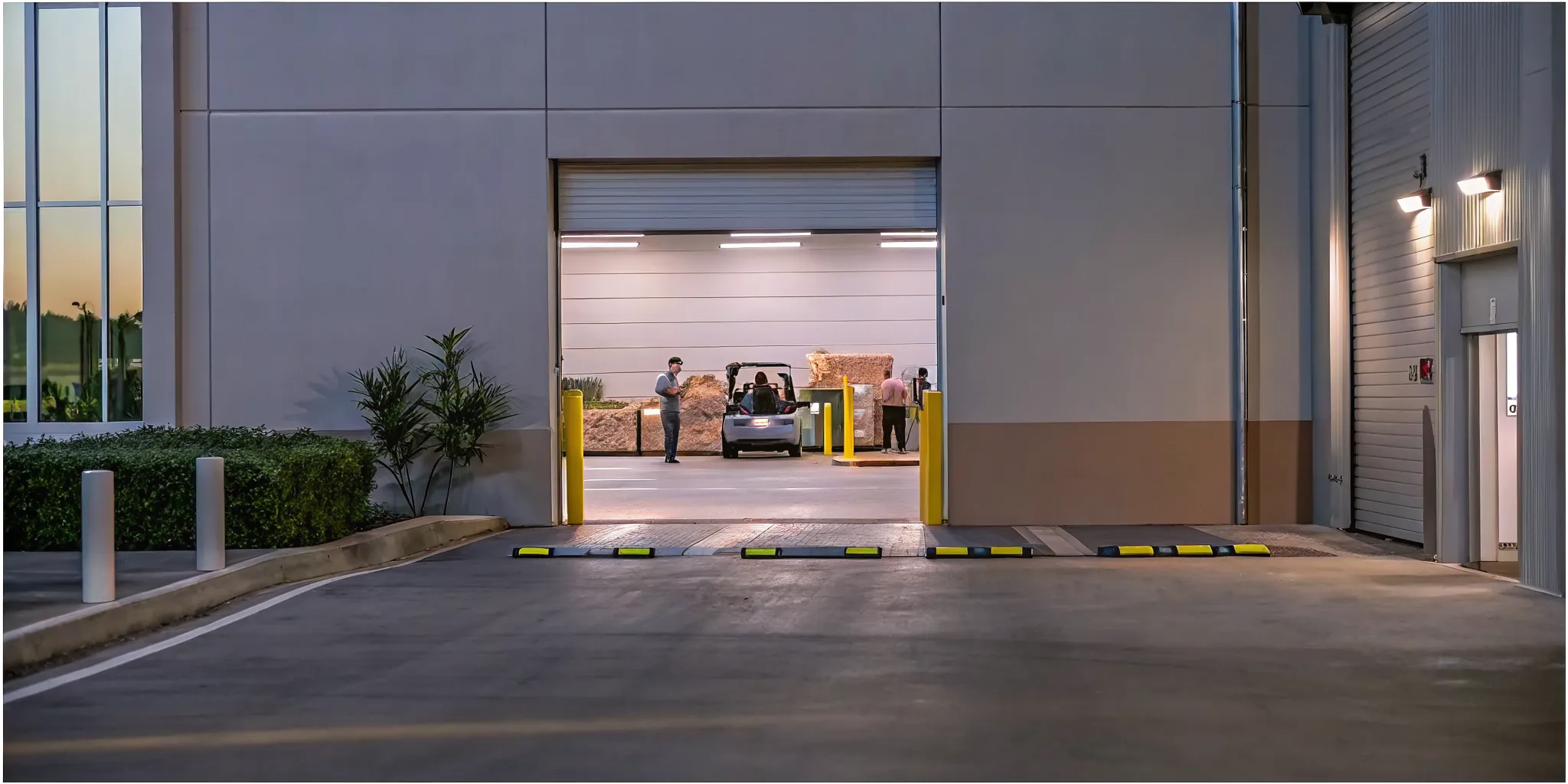
Managing a high-traffic facility requires more than just a digital sign-in sheet for visitors. Real risk lives in the blind spots where vendors and vehicles enter the property every hour. These silos create gaps in your site security.
Ready to secure your entire facility? Schedule a free demo of the SV3® enterprise arrival management platform today.
An enterprise arrival management platform is a single system that handles all visitor, vendor, and vehicle movements across a whole building. This tool gives security teams a real-time view and a digital record for every person and truck entering the site. It connects front lobby check-ins with back loading dock work. By using one system, companies can stop using tools that do not share data. An enterprise arrival management platform helps security leaders find risks and improve how people move. This shared view reduces delays and makes the site safer for everyone. These systems make sure that every arrival follows strict rules to protect the site and the people inside.
Leaders must understand how this tool differs from basic sign-in apps to improve safety. You should know how these systems work and what they do for your team. The first step is to learn the answer to the question, What is an Enterprise Arrival Management Platform? The path begins with
What is an Enterprise Arrival Management Platform?
An enterprise arrival management platform is a single tool that does much more than just greet guests at a front desk. This system, like the SV3® platform, brings together the way you manage guests, vendors, and trucks in one place. By doing so, it gives a full view of site work from the lobby to the loading dock. It helps teams see and control every move a person or vehicle makes as they enter the grounds.
Beyond basic visitor check-in
Most systems only focus on people who walk through the front door. But an enterprise arrival management platform looks at the whole site. It links schedules and background checks for every person and truck. This helps security teams find risks before they reach a private spot. By using one tool for all arrivals, you close gaps that old methods might miss.
Managing many types of entries in one place makes things simple. You can set rules for how guests sign in. You can also track when vendors arrive and how long they stay. This level of control is key for big sites like large office buildings or malls. It ends messy paper logs with a clear online record that is easy to search and use.
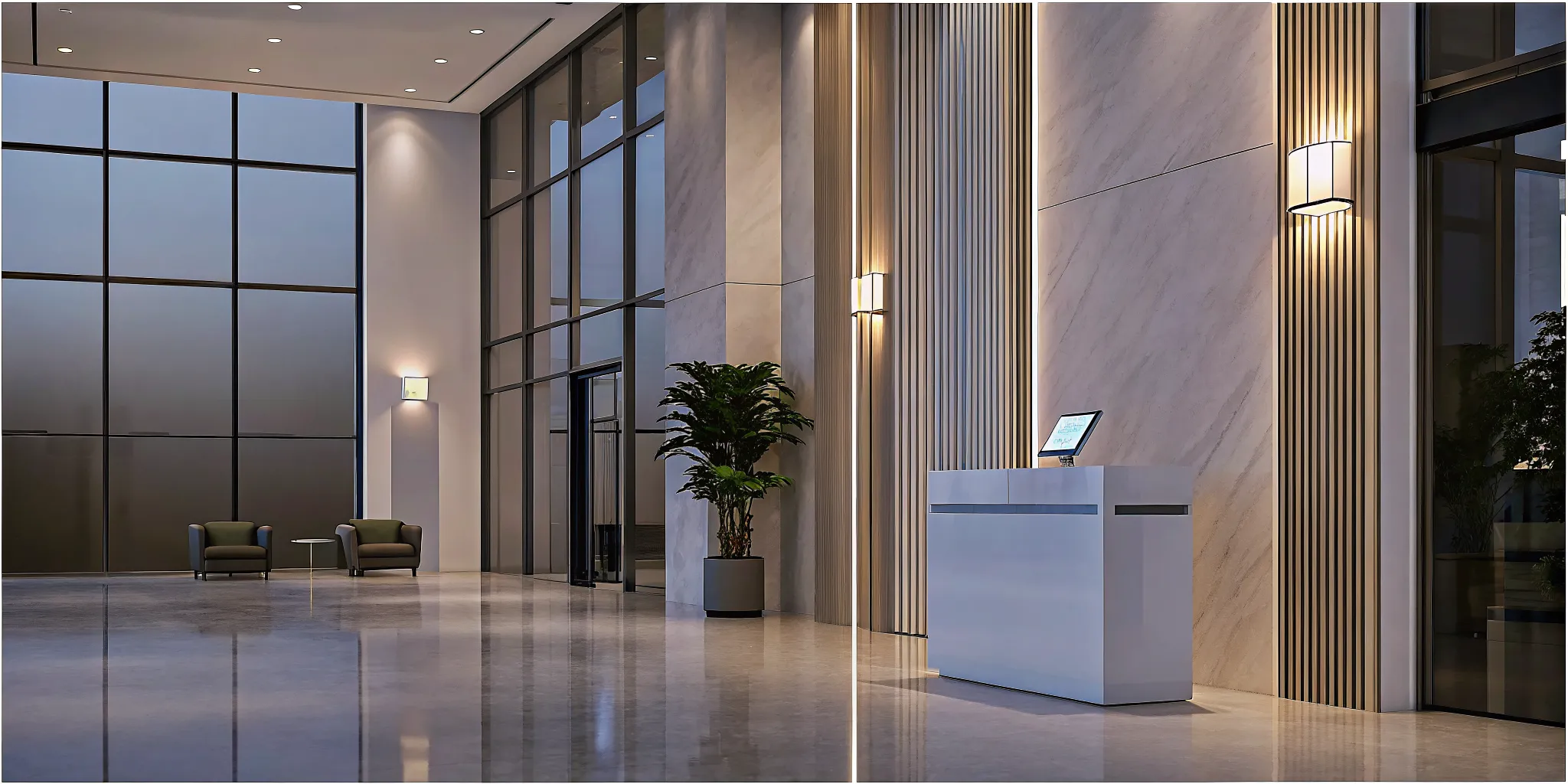
A unified flow for people and vehicles
A top goal of these tools is to keep traffic moving. Just as precise scheduling reduces delays in busy air travel, these systems do the same for buildings. They help avoid long lines in the lobby and at the gate. When you know who is coming and when, you can plan your staff and space better. This keeps the flow of the day smooth for everyone on site.
This linked approach cuts down on errors. When the loading dock and the front desk use the same data, there are fewer mistakes. For example, a driver can check in once and have their access changed across the whole site. This keeps the site safer and saves time for your team. It ensures that everyone on the site has a right to be there.
Security at every entry point
Safety is the most vital part of modern enterprise arrival management. Many sites overlook the loading dock as a weak spot. A full platform treats the dock just like the main lobby. It tracks vehicle plates, driver IDs, and the goods they carry. This gives security leaders a full audit trail that is always ready for a check.
A clear record keeps a list of every entry and exit. This data is needed to follow site rules and protect assets. With real-time sight of the site, leaders can see who is there at any point. This helps protect people and assets while keeping the work moving. It turns a busy site into a well-run space where safety comes first.
The Critical Security Gap: Why the Loading Dock is Overlooked
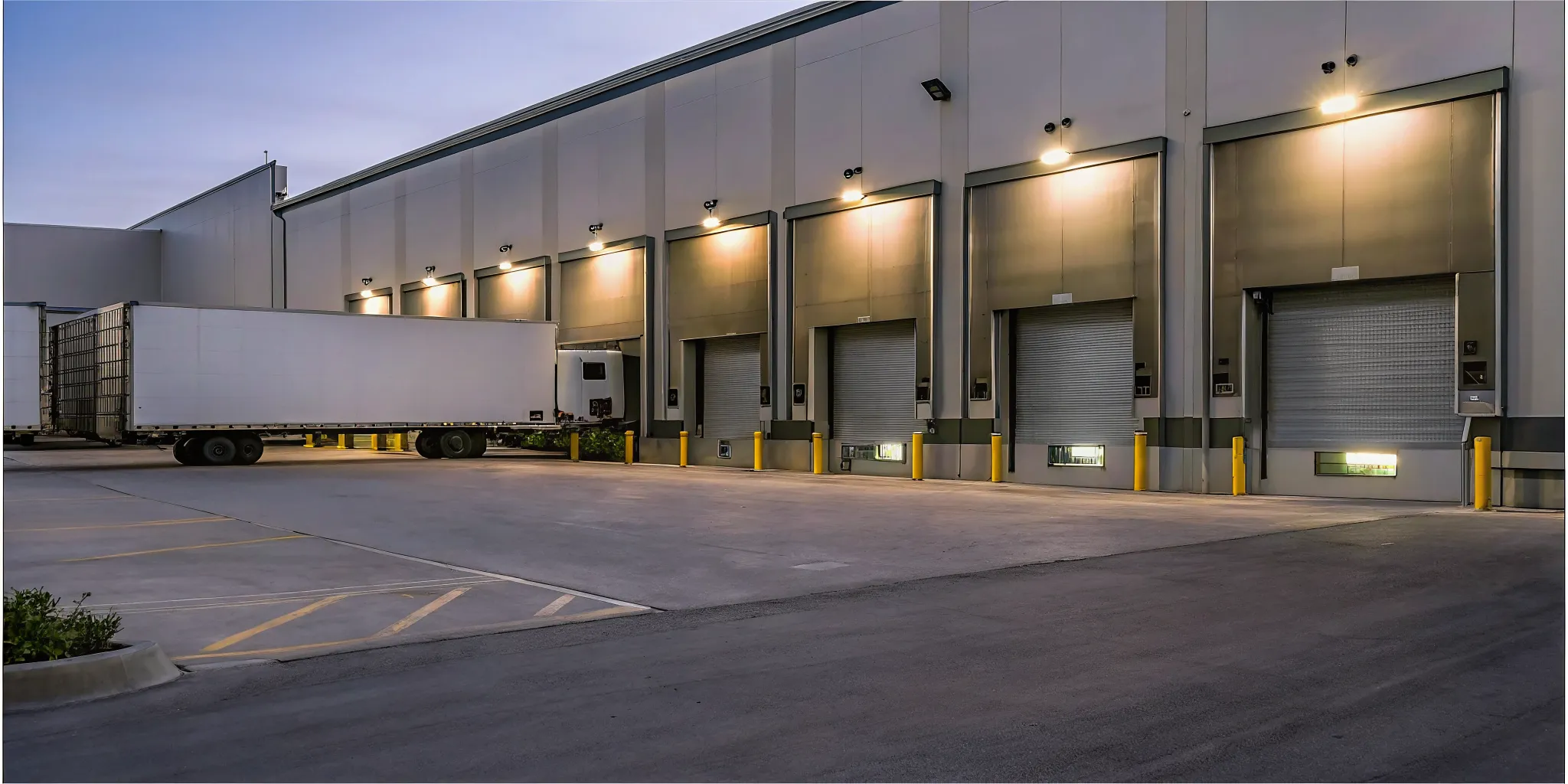
Most building security plans focus on the front lobby. They track every guest who walks through the front door. But a big security risk often hides at the back of the building. The loading dock is a critical gap in many site plans. While guests sign in at the desk, large trucks and unknown drivers may enter through the dock without any check.
A standard visitor system does not see these arrivals. This leaves the facility open to theft or safety issues. A modern enterprise arrival management platform solves this by tracking the front and back of the building at once. It creates one clear path for all people and vehicles.
Unseen risks at the dock
Standard systems often fail because they treat the lobby and the dock as two different worlds. Security teams might know who is in the lobby but have no clue which trucks are at the dock. This lack of data can lead to slow work and high risks. Unmonitored vendors and drivers can become a major threat if they are not tracked properly.
Without a unified plan, there is no digital trail for these arrivals. This makes it hard to review what happened if a problem occurs. A full modern enterprise arrival management system gives teams a complete view. It tracks the full arrival lifecycle for every guest and driver.
Improving site safety and flow
Loading docks are busy places with lots of moving parts. Poor scheduling leads to long wait times and idling trucks. This adds to noise and air pollution near the facility. Using a precise scheduling system can help reduce these issues. Better timing keeps the dock clear and the building safe.
When the dock and the lobby work together, the whole building is safer. Security teams can see every arrival in real time. This unified view helps find risks before they become big problems. It also makes daily work much faster for everyone on site.
How Does an Enterprise Arrival Management Platform Work?
A modern enterprise arrival management platform like SV3 links your lobby, loading dock, and gates into one system. It gives you a full view of every person and vehicle that enters your site. This unified way to manage entries removes gaps in your security plan and makes daily tasks much faster. By bringing all arrival data together, you can see what is happening across the site at once. This removes the silos that often exist between the front desk and the loading dock.
Pre-registration: Hosts enter visitor or vendor details into the platform to create an invite and schedule a specific time for the visit.
Verification: The system sends a digital pass or QR code to the guest, which the platform checks upon their arrival at the site.
Check-in: The person or driver scans their code at a lobby kiosk or dock gate to confirm they are on-site and ready to work.
Risk Screening: The platform quickly checks names against watchlists and databases to flag any security risks immediately.
Monitoring: Security and site staff use a live dashboard to see who is on the property and where they are located in real time.
Departure: The guest or vehicle checks out when the visit is done, which updates their status and logs the total time spent on-site.
Audit Logging: The platform saves all data, including photos and signs, into a secure digital record for future use in audit reports.
Scheduling and Pre-registration
The process starts long before anyone pulls into your parking lot. Staff or tenants use the system to set up meetings and invite guests. For vendors, this includes booking a specific time slot at the loading dock. Pre-registration ensures that only people with a valid reason to be there can get through the gate. It also helps you plan for busy days by showing exactly how many people to expect. Using these tools helps you maintain a strong image while keeping the site safe.
This early step is vital for large sites with many gates. It allows security teams to review visitor lists in advance. They can check for red flags or expired IDs before a person even reaches the lobby. This pro-active move saves time for your guards and keeps the line moving. It also makes the guest feel welcome because their check-in is ready when they arrive. This way, your team can focus on real risks instead of manual data entry.
Arrival and Secure Check-In
When a guest or truck arrives, the system guides them through a fast check-in. This may happen at a kiosk in the lobby or a gate at the loading dock. The platform checks their ID against digital watchlists and verifies their IDs. Since SV3 is SAFETY Act-certified by the DHS, it meets the highest security standards. This shows that the system has been tested to handle complex risks in big buildings or high-stakes venues.
The check-in phase also gathers data for security rules. It can capture photos, scan driver's licenses, and collect digital signs on safety forms. For vehicles, it tracks the license plate and the driver's company info. This level of detail is vital for data protection rules like SOC 2. Using tools for these tasks helps reduce site congestion and makes the check-in process much faster for everyone. It turns a slow, manual task into a quick, digital scan.
Real-Time Tracking and Audit Trails
Once inside, the platform tracks the arrival lifecycle in real time. This view helps managers find and fix delays quickly. High-traffic sites need this level of control to stay safe and fast. In fact, NASA research shows that precise scheduling and management help teams handle heavy traffic demand with more success. Every step of the trip is saved in a digital audit trail for future reviews or security checks. This record is a key part of risk control for any enterprise.
The audit trail covers the entire time a person or vehicle is on your property. It shows when they arrived, where they went, and when they left. If there is a problem, you can look back at the log to see exactly what happened. This digital record is much more trusted than old paper logs that can be lost or hard to read. It provides a single source of truth for your security and operations teams. Having this data at your fingertips helps you make better choices about how to run your building.
Want to see how SV3® can unify your building security? Speak with our experts for a personalized assessment.
Want to see how SV3® can unify your building security? Speak with our experts for a personalized assessment.
Comparing Key Features of a Facility Arrival Suite
A modern site needs more than a lobby log. An enterprise arrival management platform joins how people and vehicles enter a site. This system handles everyone from a guest at the front desk to a truck at the dock. By using one tool, a team can see all action in real time. This helps find safety gaps and stops delays before they start.
Strong systems focus on the full arrival path. This includes the time before a person arrives, their time on site, and when they leave. Pooling this data helps protect property value. It also gives tenants and guests a smooth visit. Syncing data between areas helps minimize ground-level delays and improves the flow of traffic across the whole site.
Managing Lobby and Vendor Access
Most buildings start with guest handling in the lobby. A suite like SV3(R) handles check-in with ease. It can speed up the process to reduce lobby wait times. This keeps the entrance clear and expert. The system also tracks vendor rules. It checks if a worker has the right insurance or permits before they step inside. This reduces risk for the building owner.
Digital watchlists and risk insights are key parts of modern enterprise arrival management. These tools flag people who should not be on site. This helps security teams act fast. High-traffic sites need these tools to stay safe. A unified view of every guest helps teams manage complex needs. It ensures that only the right people get past the front door.
Securing the Loading Dock
The loading dock is a safety gap that many sites overlook. A full arrival suite closes this gap by tracking vehicle access. It uses tools like License Plate Recognition (LPR) to find and log every truck. This creates a digital audit trail for all loads. Scheduling tools help manage timing. This reduces traffic at the dock and makes the site run better.
Managing the dock is about more than safety. It also helps the air. Better scheduling reduces the time trucks spend idling. This cuts down on noise and fuel burn. By using SV3 Visitor Management alongside vehicle tools, a site gets full sight. This bridge between the lobby and the dock is what makes a platform truly enterprise-grade.
Hardware and Compliance Integration
A good platform must work with the tools you already have. This means linking to Access Control Systems (ACS) and other safety hardware. This "plug-and-play" style avoids the need for costly upgrades. It lets a team use new software without throwing away old locks or cameras. This link is vital for large sites with many gates and doors.
Data safety is also a top goal. Modern systems help a site meet rules like SOC 2. A strong plan protects both assets and people. Digital logs make audits simple and fast. By keeping all arrival data in one place, a site stays ready for any check. This focus on rules and hardware makes the platform a long-term win for the site.
Feature Category | Lobby Visitors | Vendor Access | Vehicle Arrivals |
|---|---|---|---|
Primary Focus | Guest visit and lobby flow. | Rule and insurance checks. | Gate safety and dock timing. |
Key Hardware | Kiosks and badge printers. | ID scanners and mobile apps. | LPR cameras and gate arms. |
Risk Control | Digital watchlists and alerts. | Paper and permit tracking. | Vehicle logging and check-ins. |
Audit Trail | Time logs for entry and exit. | Full history of site visits. | Complete log of truck action. |
System Link | Lobby ACS and Wi-Fi access. | Work order and permit tools. | Dock bays and bay sensors. |
How Does Arrival Management Improve Facility Security and Compliance?
Managing how people and goods enter a site is vital for safety. Many sites focus only on their main lobby, leaving a big gap at the loading dock. An enterprise arrival management platform helps by joining lobby and dock safety into one system. This full view helps teams find and stop risks before they enter the building.
Closing the Security Gap Between Lobby and Loading Dock
The loading dock is a common blind spot in site safety plans. Lobbies often have sign-in tools, but the dock relies on paper logs. This lack of oversight can lead to theft or access by people who should not be there. By using a platform that covers the full arrival path, managers get a clear view of every truck and vendor. This ensures that only known people enter key areas.
Matching these arrivals is like managing airport traffic. Tools that track schedules between ramps and towers help cut down on ground-level delays and improve safety. In a building, an enterprise arrival management platform does the same for ground traffic. It connects the lobby, dock, and safety team to break down walls. This keeps the flow of people and goods safe and quick.
Meeting Strict Security Rules
Safety leaders must follow strict data rules to protect their assets. A modern enterprise arrival management system helps you meet these needs through digital records. For example, data from these tools is key for meeting data rules like SOC 2. Having a digital audit trail shows that your site follows best paths for safety and privacy.
Building Intelligence takes this a step further with the SV3® platform. It is SAFETY Act certified by the DHS. This seal shows the tool meets high U.S. rules for safety. Using a certified platform helps you lower risk and prove you are ready for a check. It moves your safety from a manual task to a trusted, machine-led path.
Building Clear Records and Value
Good safety is also about being ready for a check. If a risk occurs, you need to know who was on-site and when they came. Paper logs are hard to search and easy to lose. Digital records change that by giving you a clear, quick-find log of all acts. This clarity protects building value by keeping a safe place for tenants and guests.
Making these check-in steps faster also helps with flow. It cuts wait times and keeps the dock clear for high-traffic sites like labs or large offices. By using a unified enterprise arrival management platform, you can make sure that every arrival is tracked and recorded. This tool helps you manage the full lifecycle of an arrival, from the first invite to the final exit.
Evaluating Your Needs: Selecting the Right Platform
Choosing an enterprise arrival management platform starts with a look at your whole site. You need more than just a tool for your front desk. A good system must bridge the gap between your lobby and your loading dock. This ensures that every person and vehicle is tracked from the moment they arrive at the gate. By linking these areas, you get a full view of site flow.
Verify security and audit standards
Security is the top goal for most firms today. You should look for a system that offers a clear digital path of all events. This helps your team find and fix risks fast. Your platform should also meet high safety rules. For example, the SV3® system from Building Intelligence is Safety Act certified by the DHS. This level of watch gives you proof that your security plans work well.
Data care is also key for any large firm. Your system must keep logs of all arrivals to meet standards like SOC 2. A strong modern enterprise arrival management plan protects your assets and your people. It gives you the full view you need to stay in control and meet strict laws.
Focus on data flow and timing
Timing is everything in a busy site. If your lobby is full but your loading dock is empty, you have a problem. You need a system that shares data across all areas in real time. Research from NASA shows that sharing arrival data across different zones helps cut down on ground-level delays. This same idea applies to your building and its daily traffic.
When you sync data, you reduce wait times for guests and vendors. This makes the visit better for both tenants and guests. It also helps your staff work faster and with less stress. A unified view of all arrivals lets you spot blocks before they cause a large backup at your entrance.
Check for easy integration and growth
A new platform should not force you to throw away your old tools. Look for a system that works with your current gear and software. This saves you money and cuts down on setup time. You want to avoid a project that stops your daily work or needs a total "rip-and-replace" effort. The best systems plug into your current locks and cameras with ease.
Growth is also a big factor for any firm. Your platform must grow as your business grows. It should handle many sites and different rules for each place. This ease is a sign of an enterprise arrival management platform built for the future. By choosing a system that can scale, you ensure long-term value and better safety for your firm.
Frequently Asked Questions
Does an arrival management platform handle vehicle scheduling?
Yes. A unified platform manages the entire arrival lifecycle. This includes scheduling for visitors, vendors, and vehicles at the loading dock. These systems help staff coordinate arrivals to reduce wait times and congestion. According to NASA research, precise scheduling can reduce fuel burn and help traffic flow better in busy areas. This approach helps buildings run more smoothly every day.
Can an arrival management system integrate with physical access controls?
Yes. Modern platforms like SV3® work with your current security hardware and software. You do not need to replace your entire system to add these features. The software connects to gates, turnstiles, and door locks to manage entry for people and vehicles. This connection creates a single record for every person on the site. It helps security teams find risks early and keeps the site safe without needing costly new upgrades.
Is an enterprise arrival management platform different from visitor software?
Yes. Basic visitor software only tracks people in the lobby. An enterprise platform covers the full site, including the loading dock and vehicle entries. It joins visitor, vendor, and vehicle data into one view. This removes data silos and gives security leaders a complete audit trail for the entire building. Using a unified system helps manage the needs of large sites that have many entry points and different types of arrivals.
How does arrival management support data protection rules like SOC 2?
These platforms help buildings meet strict safety and data rules. A strong security plan uses a digital audit trail to track every person who enters the building. This data is vital for meeting SOC 2 and other data protection standards. By keeping clear records of all visitors and vendors, the system protects both assets and people. It ensures that only approved users access private areas and gives proof that the site follows the rules.
Ready to secure your loading dock and lobby today?
Old paper logs leave your site open to risks that cost you time and money every day and make it hard to stay safe. When you start with an enterprise arrival management tool today, you can close these gaps in just a few weeks and see every car. By acting now, you build a strong base for growth while you keep your people and your property safe from harm at all times. A smart platform helps you find risks before they hurt your business and makes sure every guest has a reason to be there.
Ready to secure your building? You can schedule a free demo with us to see how our tools help your team stay safe and cut costs.
