Inside Convention Center Operations on a 500-Vehicle Day
At a major convention center, vehicle arrivals can hit 500 in a single morning. Here's what an operations team actually needs to keep that moving.
by Building Intelligence Team
2025-10-22
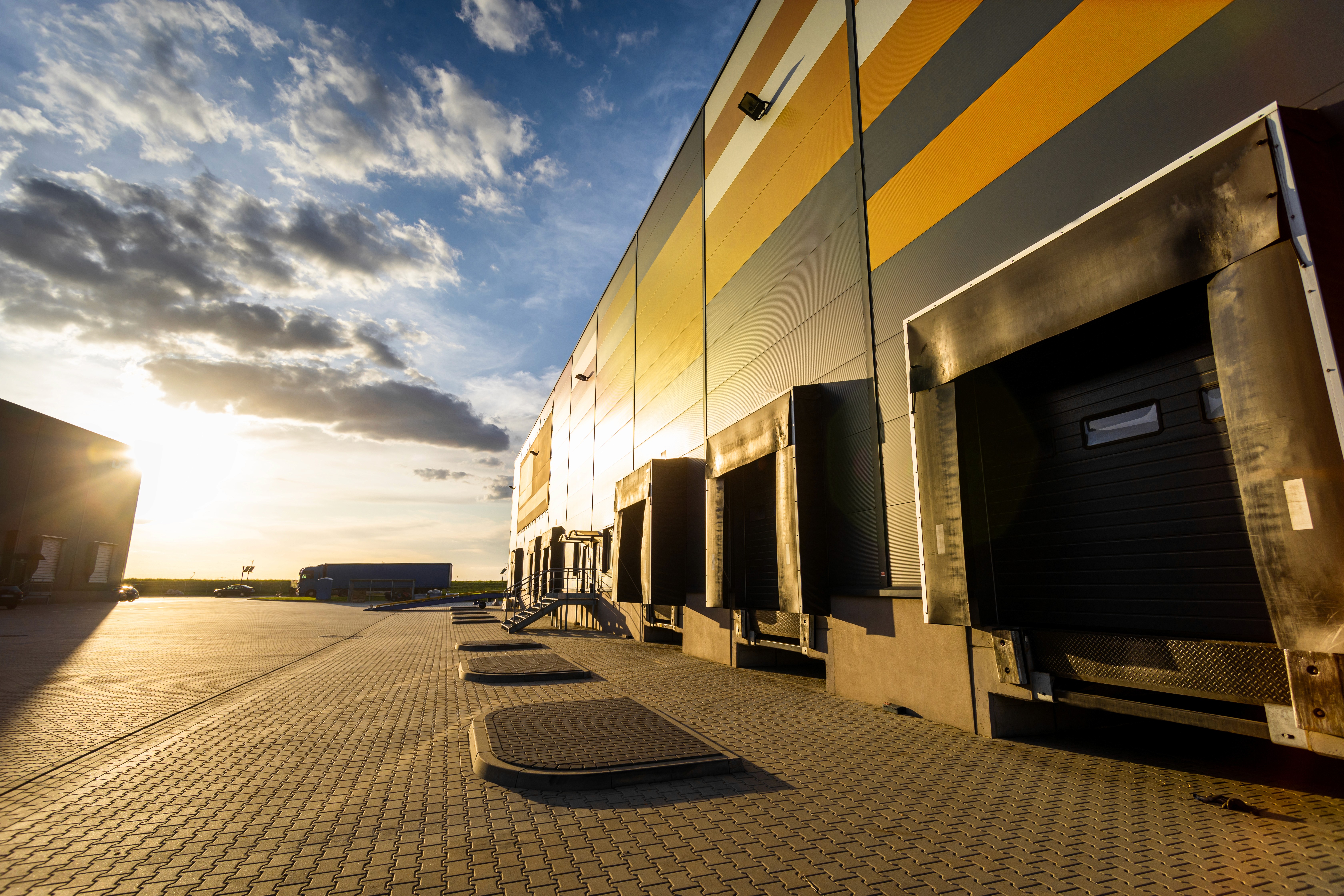
At a major convention center, a peak load-in day means five hundred vehicles arriving in a window of about four hours. Exhibitors, freight forwarders, AV vendors, food and beverage trucks, talent shuttles, security crews, and dozens of independent contractors all converging on a finite number of loading docks. The operations team doesn’t get to ask anyone to come back tomorrow. The doors open at 9 AM either way.
The math of a peak load-in
A 500-vehicle morning is not a problem you solve with more guards or longer hours. It’s a problem you solve with a workflow that gives every arriving vehicle a slot, a destination, and a path before it reaches the property line.
Spread evenly, 500 vehicles in four hours is one truck every twenty-eight seconds. In reality, they arrive in clusters. The peak hour can hit 200. Without scheduling, your dock approach turns into a parking lot, your phones ring with “where do I go?”, and your contractors burn billable time waiting to unload.
Per-event templates
The single biggest unlock for convention center operations is per-event configurability. A trade show load-in runs differently from a corporate event. A consumer expo runs differently from a medical conference. A concert load-in is its own animal.
Per-event templates let your operations team set up each event’s arrival rules once — which docks are open, which credentials are required, who approves what, how exhibitors request windows — and then run the event on autopilot.
Hardware-optional, ops-first
The most important thing to know about modernizing convention center operations: you don’t need to install new infrastructure to start. A guard with a tablet at the gate is a valid day-one deployment. License plate recognition, cameras, and instrumented gates are scaling levers you add when the workflow is already running.
The mistake convention centers make is assuming they need a six-figure hardware refresh before they can modernize. They don’t. They need the workflow first. The hardware extends it.
A live operating picture across every gate
On a 500-vehicle day, the operations director needs to know what’s happening at every gate, every dock, and every marshaling area at a glance. A live dashboard — not a radio update from each gate — is the only way to run a venue at that scale without burning out the staff.
When the operations team can see the same picture as the gate guard, the dock master, and the exhibitor services lead, the radio chatter drops. The questions get answered before they’re asked.
What changes when arrivals are managed
A convention center running modern arrival management gets four things back: throughput at the peak hour, exhibitor satisfaction, an audit trail per event, and an operations staff who isn’t running on adrenaline by 11 AM.
See it in action
See how SV360 is being shaped in partnership with one of the largest convention centers in the country.
Schedule a demo
